The senior living market continues to expand rapidly in 2026, and with it comes growing competition among senior living communities. Families and adult children searching for the right facility are more discerning than ever, evaluating multiple options and expecting a clear understanding of what each community can provide. Without a thoughtful marketing plan, even the best retirement living facilities risk blending into the background rather than becoming the top priority for prospective residents.




Published on
20/11/2024
Senior living marketing strategies must balance digital tools, traditional outreach, and genuine connections. Communities that integrate content marketing, community events, digital marketing, and a strong online presence will be well-positioned to increase interest and support occupancy rates.
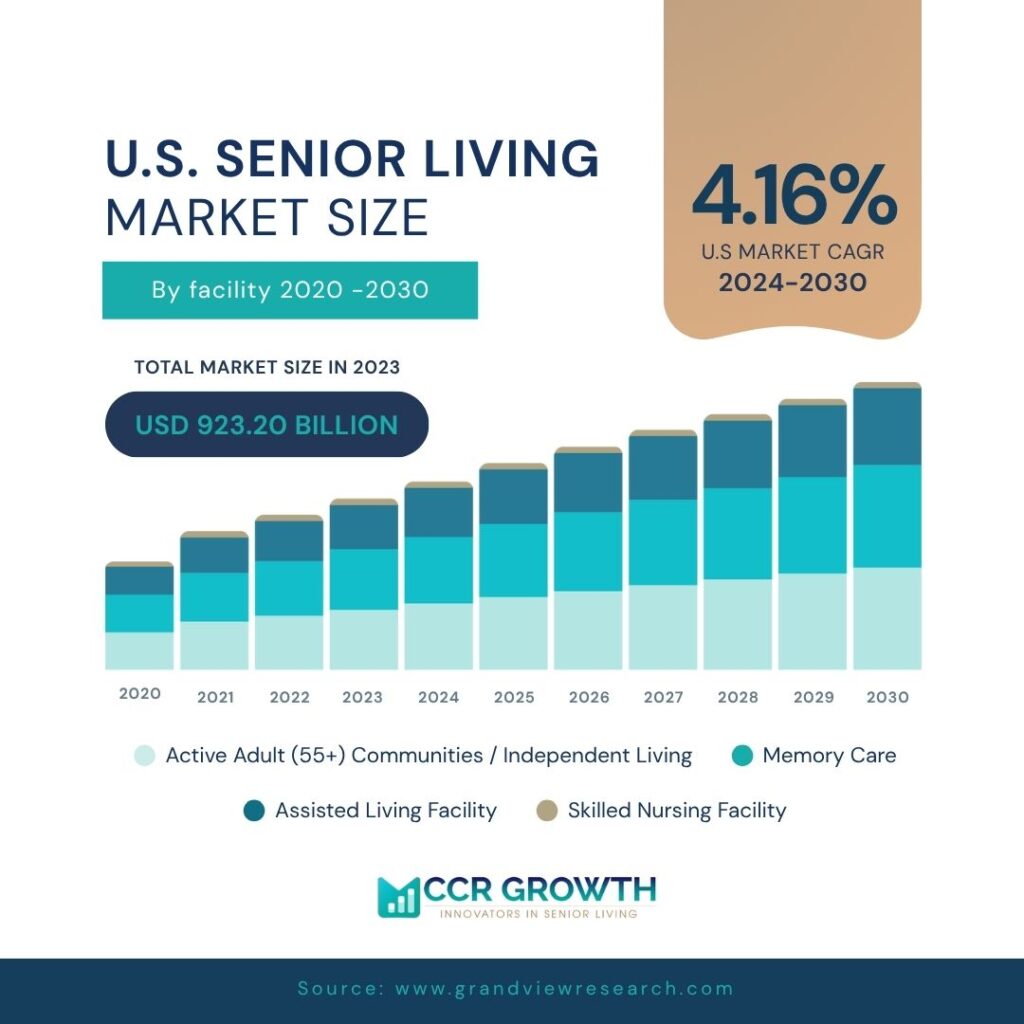
Senior living marketing has refined strategies and funnels to reach the right audience and drive meaningful engagement. In this article, we’ll look at the top 10 marketing strategies to help senior living communities thrive in 2026.
Senior living marketing is the blend of strategy and outreach that connects senior living facilities with prospective residents and their families. It ensures that every effort builds trust and guides families toward informed decisions.
Senior living marketing is not simply about promoting a building or service line. It is about creating meaningful engagement between senior living facilities and the families searching for them. At its core, marketing efforts help senior living communities reach the right audience, communicate unique values, and show prospective residents that they can deliver both patient care and positive experiences.
Marketing teams in 2026 should rely on a blend of digital channels and offline outreach to connect with potential customers. Search engine optimization increases online visibility and ensures that your community appears when families search for retirement living options. Content marketing provides valuable information that guides the decision making process. Community events reinforce word-of-mouth reputation and create personal connections with the local community. Together, these efforts form a senior living marketing system that strengthens trust with both current residents and prospective families.
Assisted living marketing is more than generating inquiries or filling vacancies. It shapes how families perceive senior living facilities, communicates the quality of care and lifestyle offered, and supports both marketing and sales teams in building lasting relationships with prospective and current residents.
Assisted living marketing is often misunderstood as a tool designed only to convert prospects into new residents. In reality, it plays a vital role in shaping brand perception, improving public relations, and building long-term relationships with residents and their families. An effective marketing plan supports the sales team by generating qualified leads, while also maintaining loyalty and satisfaction among current residents.
Marketing efforts provide the sales team with tools to answer questions and increase interest during tours. For example, relevant content can be used to guide adult children through common concerns about healthcare, finances, or lifestyle. Virtual tours and digital marketing campaigns help attract potential residents from various backgrounds, while in-person events allow families to experience genuine connections firsthand.
Understanding the target audience is the foundation of every successful senior living marketing plan. Families and older adults come from various backgrounds with unique needs, priorities, and expectations, and communities that tailor their marketing strategies to these differences are far more likely to attract potential residents and build trust.
The senior living population is not uniform. Communities must recognize that prospective residents may be independent baby boomers exploring lifestyle options or older adults with higher acuity needs. Adult children, who often manage the decision making process, bring their own concerns and expectations into the conversation.
Families prioritize patient care, safety, affordability, and transparency. Seniors themselves value independence, comfort, and a sense of community. Tailoring marketing materials and campaigns to these preferences helps assisted living facilities ensure their message resonates and builds trust.
We’ve done the research and analyzed what works best in today’s competitive senior living market. The result is a proven list of the Top 10 Senior Living Marketing Strategies for 2026, designed to help senior living facilities attract prospective residents and improve occupancy rates with confidence.
Search engine optimization, or SEO, ensures that your community ranks well in search results. Families conducting research online will find your landing pages more easily, making SEO one of the most critical senior living marketing strategies in 2026.
Social media platforms allow communities to engage both prospective residents and current residents. Highlighting community events, upcoming events, and positive experiences fosters engagement and provides families with a real sense of daily life in the community.
Content marketing offers valuable information that positions a community as a trusted resource. Blog posts, guides, and videos can explain the decision making process, financial planning, and healthcare support, helping families make informed decisions.
Virtual tours are now essential digital tools. They allow families who cannot visit in person to explore assisted living facilities online, increasing accessibility and generating potential leads.
AI tools such as chatbots streamline communication with prospective residents, while Answer Engine Optimization (AEO) ensures your community appears in quick-answer results when families search online. Together, they make it easier for families to find accurate information and stay engaged.
Online reviews influence prospective residents more than nearly any other factor. Encouraging satisfied families to share positive experiences and responding to negative reviews with transparency builds trust and improves public relations.
Email campaigns help maintain communication with potential customers and current residents’ families. Updates on community events, health tips, or new amenities keep your facility top of mind.
Direct mail remains effective for audiences less engaged online. Personalized newsletters, invitations, and printed marketing materials allow communities to reach potential residents in meaningful ways.
Paid ads across search engines and social media platforms create immediate visibility. With a managed marketing budget, campaigns can target specific demographics, driving inquiries and occupancy rates.
Workshops on healthcare, financial planning, or senior lifestyle create opportunities to answer questions and demonstrate expertise. They attract both potential residents and their families, while also strengthening the community’s role as a local resource.
When combined, these senior living marketing strategies form a balanced, integrated marketing plan that engages the right audience effectively and builds long-term trust.
Building a strong online presence is now a top priority for senior living facilities. Digital marketing gives communities the tools to increase visibility and provide families with the information they need to make confident decisions.
A highly functional, mobile friendly website remains the cornerstone of digital marketing. It must feature clear navigation, high-quality visuals, and strong calls to action such as “Schedule a Tour.” Landing pages should be optimized with search engine optimization techniques and supported by relevant content.
Digital marketing strategies also include virtual tours, online reviews, and active social media accounts. These digital tools give families multiple options to engage with the community and form a clear understanding of what life will look like for current residents.
Content marketing is an essential part of every senior living marketing plan. It allows communities to share valuable information, answer common questions, and highlight positive experiences in ways that build trust with prospective residents and their families.
Content marketing continues to be one of the most effective marketing strategies for attracting potential residents. Well-written articles, videos, and guides provide relevant information that builds credibility and supports informed decision making.
Content can be used to answer questions about patient care, lifestyle, or financial planning. Addressing common concerns directly allows communities to increase interest and build trust with families who are comparing multiple options.
Measuring and optimizing marketing efforts ensures that senior living communities get the best results from their campaigns. Tracking data such as website traffic, conversion rates, and engagement rates allows marketing teams to refine strategies, allocate budgets wisely, and strengthen overall performance.
Marketing teams and sales teams must collaborate to monitor metrics such as website traffic, lead conversion rates, and social media engagement. These insights allow communities to adjust campaigns, refine messaging, and allocate their marketing budget more effectively.
A data-driven marketing plan ensures that communities adapt to changing trends in the senior population and maintain a competitive edge in the market. Regular measurement supports occupancy rates, improves public relations, and ensures resources are directed toward strategies that deliver results.
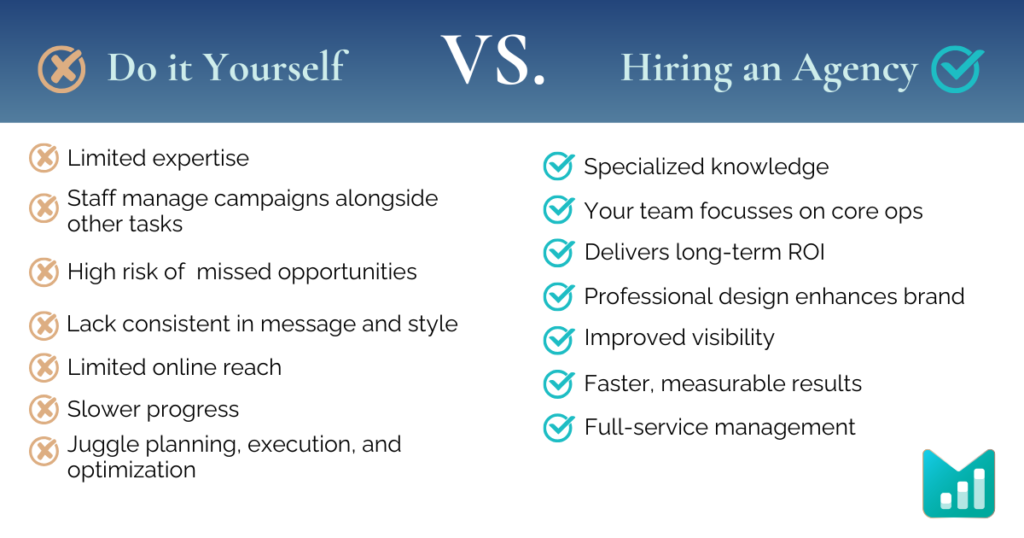
A specialized agency brings expertise in senior living clients and provides integrated support across digital marketing, content marketing, and public relations. Agencies understand the nuances of the senior living market and craft effective marketing campaigns that align with occupancy goals.
When agencies manage marketing budgets, optimize search engine results, and create relevant content, they free up community staff to focus on what matters most: patient care and resident well-being.
In 2026, senior living marketing strategies must go beyond simple advertising. Assisted living facilities and independent living communities that blend digital tools, in-person events, and data-driven marketing efforts will be best positioned to attract potential residents, maintain strong relationships with current residents, and grow occupancy rates.
The right marketing plan builds trust, provides valuable information, and ensures that families feel supported in choosing the right facility. Combining online visibility with genuine community engagement allows senior living communities to increase interest and create long-term success.
Is your community ready to strengthen its marketing efforts and stand out in a competitive market? Contact CCR Growth today to develop a customized senior living marketing plan that drives results and helps your community thrive.
Building genuine connections with prospective residents and their families remains the top priority. Communities that focus on authenticity, transparency, and consistent communication will stand out in a competitive market.
Online reviews represent real voices of current residents and families. Positive experiences shared online often carry more weight than polished marketing materials. Addressing negative reviews quickly and professionally also builds credibility.
Customer relationship management (CRM) systems allow marketing teams and sales teams to track potential leads, manage follow-ups, and maintain consistent communication with families. Capturing details from initial inquiries through move-in allows CRM tools to ensure no opportunity is missed and that families feel supported throughout the decision making process.
A senior living marketing plan is most effective when it combines multiple channels—digital marketing, content marketing, community events, and public relations—into one cohesive approach. The plan should outline clear goals, allocate the marketing budget strategically, and include measurable outcomes such as occupancy rates and qualified leads.
Senior living facilities can differentiate themselves by emphasizing patient care, showcasing positive experiences from current residents, and maintaining strong online visibility. Facilities that provide transparent information and deliver relevant content will attract potential residents more effectively than those relying on traditional advertising alone.
"*" indicates required fields
Introducing

Do you own a botique senior living community? We built a dedicated, performance-based platform just for you!

FOR OPERATORS
Marketing strategy, lead generation, census growth, and sales training for senior living operators managing up to 14 communities.

FOR PORTFOLIO OPERATORS
Marketing strategy, lead generation, census growth, and sales training for senior living operators managing up to 14 communities.